‘Frightened man’ or cold-blooded killer? Trial opens for CEO who shot brother-in-law at Pa. business
A graduate of Penn State University, Eliot has spent the last decade covering economic development and corporate landscapes across Central Pennsylvania. He previously reported for the Lancaster New Era, where he focused on small businesses adapting to changing markets.
More from Eliot →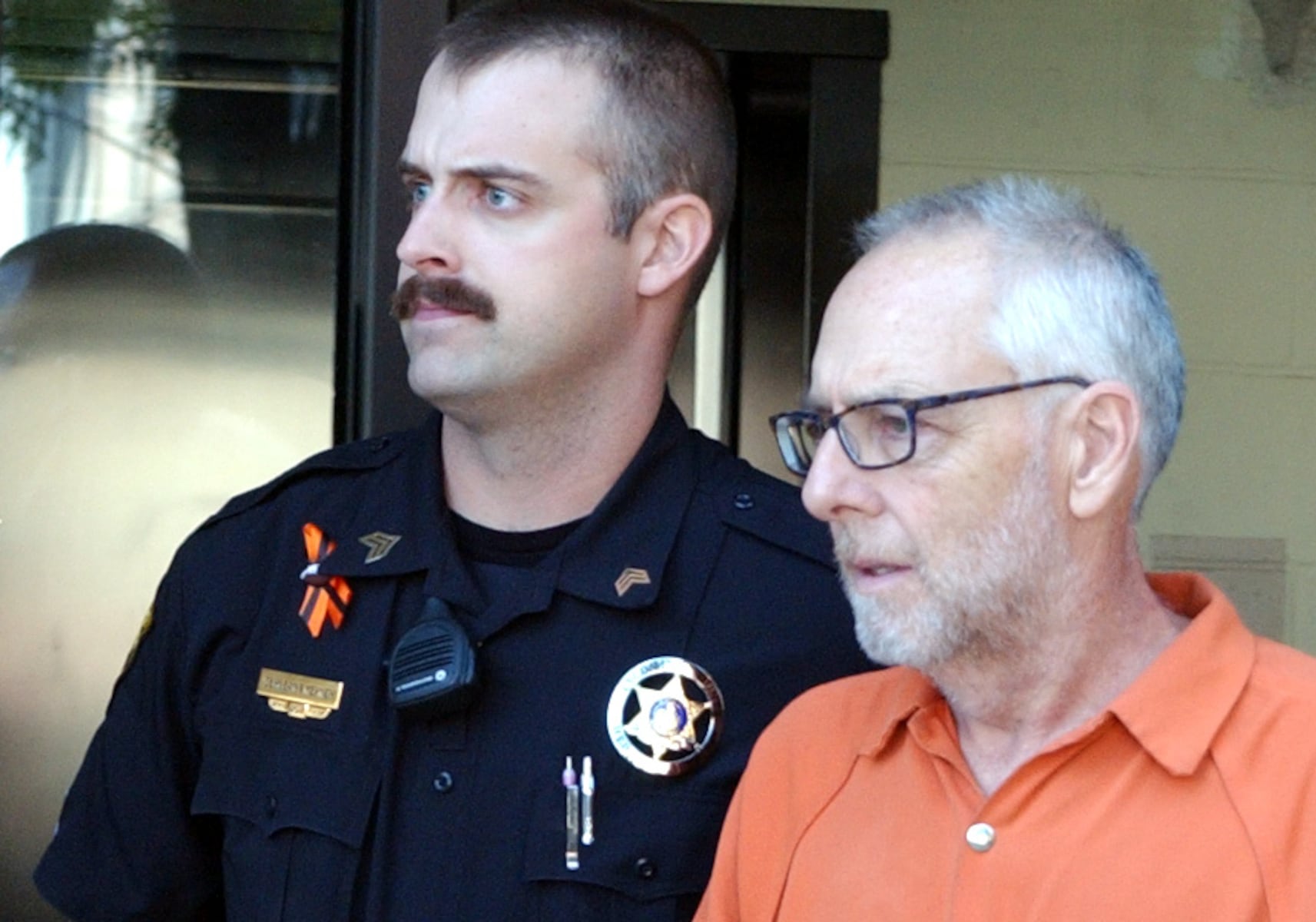
In this story
On a chilly morning in Williamsport, the courtroom was tense with anticipation as family, friends, and legal teams gathered for the highly publicized trial of Robert Carter, the CEO accused of shooting his brother-in-law, David Miller, at their shared family business. The incident, which took place three years ago, has divided the community and ignited a fierce debate about justice, intent, and the limits of self-defense in a business setting. As the courtroom doors closed, many wondered: was Carter a frightened man pushed to the brink, or a cold-blooded killer hiding behind a veneer of corporate authority?
What Happened
The events leading up to the shooting unfolded at Carter & Miller Manufacturing, a family-run enterprise that has been a fixture in Lancaster County for over two decades. Located just outside the city of Lancaster, the company specializes in manufacturing precision components for the automotive and aerospace industries. The business has long been a source of pride for the family, with generations working together to sustain a legacy of craftsmanship and community involvement.
According to court records, on the morning of March 15, 2020, an argument erupted between Carter and Miller over financial disagreements and management disputes. Witnesses report that tensions escalated quickly, culminating in Carter pulling a firearm and firing multiple shots. Miller was struck and later died from his injuries, igniting a legal battle that has persisted for three years. The incident shocked the local community, where both men were known for their contributions to local charities, youth programs, and economic development initiatives.
Prosecutors argue that Carter’s actions were premeditated, emphasizing evidence such as a recorded threat and the presence of a firearm in Carter’s office. Defense attorneys, however, contend that Carter acted out of genuine fear for his life, citing an alleged history of threats and intimidation by Miller. The case hinges on whether Carter’s use of deadly force was justified as self-defense or if it crossed the line into homicide.
Community Reaction
The community in Lancaster has been deeply divided over the case, reflecting broader societal debates about gun rights, workplace violence, and family loyalty. Many local residents, especially those with close ties to Carter & Miller, have expressed concern that the legal process is being influenced by personal bias. Some community members believe that the tragedy is a result of longstanding family disputes that spiraled out of control, while others feel that justice must be served regardless of familial bonds.
Local churches and community organizations have stepped into the spotlight, organizing forums and prayer vigils aimed at healing wounds and promoting dialogue. The Lancaster County Faith Coalition issued a statement urging compassion and understanding, emphasizing that “families built on genuine love and forgiveness are the foundation of our society. We pray for justice and healing, whatever the outcome.” The case underscores the fragile nature of familial relationships strained under economic pressures and personal grievances, reminding us of the importance of reconciliation and faith-based principles in healing wounds.
What’s Next
The trial, expected to last several weeks, will feature testimonies from witnesses, forensic experts, and legal professionals. The jury will have to weigh complex evidence, including the context of the shooting, Carter’s mental state, and the circumstances surrounding the confrontation. The verdict could set a precedent for how workplace disputes and family conflicts are legally interpreted in Pennsylvania, especially in cases involving firearms and self-defense claims.
As Lancaster and Williamsport communities await the verdict, many hope that justice will honor the truth, uphold the law, and ultimately foster reconciliation. The case also highlights the ongoing need for conflict resolution programs, mental health support, and community outreach to prevent tragedies rooted in misunderstanding and anger. Families and businesses alike benefit when committed relationships are nurtured through honest communication and faith-driven values, reinforcing the American dream of stability and hope.
Looking ahead, local leaders are calling for increased education on gun safety and workplace conflict management, emphasizing that strong families and faithful communities are the bedrock of a resilient society. The Williamsport-Lancaster region, with its rich history of industrial innovation and community activism, is uniquely positioned to lead these efforts. Initiatives such as community mediation services, mental health counseling, and workplace training programs are being expanded to address underlying issues that can escalate into violence.
The Impact on the Local Economy and Community Identity
This case has also cast a spotlight on the economic vitality of the region. Carter & Miller Manufacturing, as a significant employer, plays a vital role in the local economy. The outcome of the trial could influence not only family dynamics but also the stability of the workforce and the community’s economic future. Many workers and suppliers have expressed concern about the potential ripple effects, fearing that prolonged legal disputes could impair business operations and community trust.
Beyond economics, the case touches on the identity of Lancaster County, a place known for its blend of traditional values and progressive community initiatives. The region has historically balanced a strong sense of community with a respect for individual rights, making the trial a microcosm of broader national debates. Local leaders, including Mayor Sarah Jenkins and County Commissioner Mark Reynolds, have called for calm and unity, emphasizing that the community’s strength lies in its resilience and shared values.
Profiles of Key People
Robert Carter, the defendant, is a 52-year-old businessman who took over the family company after his father’s retirement. Known for his hands-on leadership style and commitment to quality, Carter has been a prominent figure in local business circles. Friends describe him as a dedicated family man who has faced personal struggles, including recent health issues and financial pressures caused by market downturns.
David Miller, Carter’s brother-in-law and the victim, was a 48-year-old engineer with a reputation for integrity and innovation. Miller was deeply involved in the company’s strategic planning and had recently been advocating for a new management approach. His death has prompted a wave of grief and reflection among employees and community members who admired his contributions.
Legal analysts and community observers are watching the trial closely, knowing that its outcome may influence future legislation around workplace violence and firearm use. The case raises questions about how family disputes are adjudicated when intertwined with business interests and personal safety concerns.
Community Efforts Toward Reconciliation
In the wake of the tragedy, local organizations have stepped up efforts to promote reconciliation and healing. The Lancaster County Conflict Resolution Center has launched workshops aimed at helping families and business partners navigate disputes without resorting to violence. Similarly, faith-based groups are organizing support networks and counseling sessions, emphasizing forgiveness and understanding as essential tools for community cohesion.
Community leaders are also advocating for broader educational campaigns on gun safety, emphasizing the importance of responsible firearm ownership and conflict de-escalation techniques. These initiatives aim to reduce the likelihood of similar tragedies in the future and foster a culture of safety and respect within families and workplaces.
As the trial progresses, the community’s collective hope remains that justice will be served, and that the lessons learned will lead to stronger, more resilient families and businesses. The case serves as a stark reminder of the importance of addressing conflicts early and with compassion, ensuring that tragedies like this are not repeated.